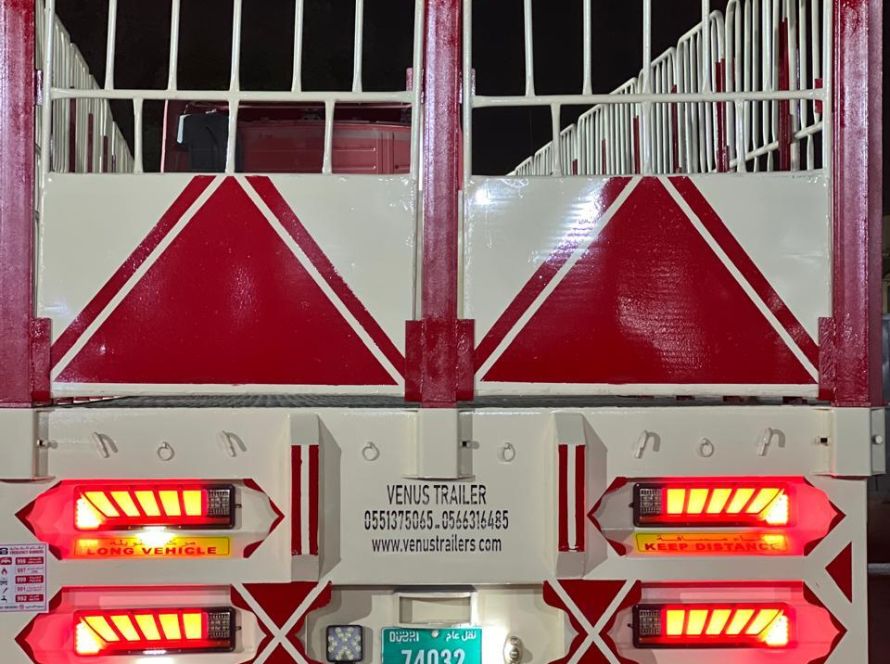

The trailer quality standards in the UAE play a vital role in ensuring safe and efficient transportation across industries such as logistics, construction, and oil & gas. As a rapidly growing industrial and trade hub, the United Arab Emirates maintains strict guidelines to ensure trailers meet high performance and safety requirements.
From heavy-duty transport trailers to container carriers, manufacturers in the UAE must follow specific standards related to materials, design, and safety. These standards help businesses reduce risks, improve operational efficiency, and comply with legal requirements.
In this guide, we will explore the trailer quality standards in the UAE, how they are implemented, and why they are essential for businesses.
Why Trailer Quality Standards Matter
Quality standards are not just regulations—they are essential for safe operations and long-term reliability.
Key Benefits:
- Improved road safety
- Reduced maintenance costs
- Longer trailer lifespan
- Compliance with government regulations
- Better business reputation
Companies that follow trailer quality standards in the UAE can operate with confidence and avoid costly penalties.
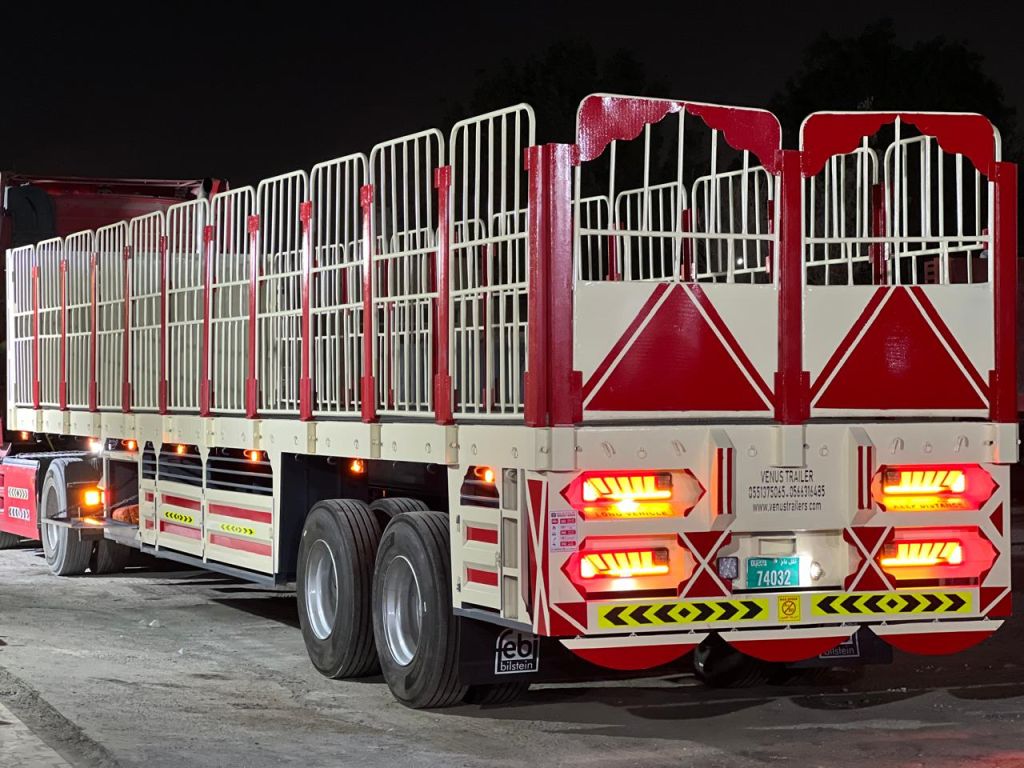
Regulatory Authorities in the UAE
Several organizations ensure that trailer manufacturers and operators follow quality standards.
Roads and Transport Authority (RTA)
In cities like Dubai, the Roads and Transport Authority (RTA) regulates vehicle safety, registration, and inspections. All trailers must pass RTA checks before they can operate on public roads.
Emirates Authority for Standardization and Metrology (ESMA)
The Emirates Authority for Standardization and Metrology sets national quality benchmarks for industrial products, including trailers.
International Standards
Many UAE manufacturers also follow global standards set by organizations such as the International Organization for Standardization to ensure export-quality production.
Key Trailer Quality Standards in the UAE
Manufacturers must meet several important requirements to ensure trailer quality.
1. Structural Strength and Design
Engineers must design trailers with strong and durable structures.
Key requirements include:
- Reinforced chassis
- Balanced load distribution
- High load-bearing capacity
A well-designed structure ensures the trailer performs reliably under heavy loads.
2. Material Quality
Material selection plays a crucial role in trailer durability.
Common materials include:
- High-strength steel
- Aluminum components
- Anti-corrosion coatings
Manufacturers use these materials to ensure trailers withstand harsh weather conditions in the UAE.
3. Brake and Safety Systems
Reliable braking systems are essential for heavy-duty trailers.
Standards require:
- Air brake systems
- Emergency braking features
- Proper brake balance
These systems help prevent accidents and improve control during transport.
4. Axle and Suspension trailer inspection standards UAE Standards
Axle configuration affects load distribution and stability.
Quality standards ensure:
- Proper axle alignment
- Strong suspension systems
- Smooth load handling
These features reduce wear and improve performance.
5. Lighting and trailer inspection standards UAE Visibility
Proper lighting ensures safe operation, especially at night.
Requirements include:
- LED tail lights
- Reflectors and side markers
- Indicator signals
These features improve visibility and reduce the risk of accidents.
6. Load Capacity Trailer Quality Standards UAE Compliance
Each trailer must clearly define its load capacity.
Overloading can cause:
- Structural damage
- Brake failure
- Road accidents
Following load limits ensures safe and efficient operations.
Manufacturing Practices in the UAE
The trailer inspection standards in the UAE also focus on manufacturing processes.
Precision Engineering
Manufacturers use advanced design tools and engineering techniques to ensure accuracy and durability.
Quality Control
Every trailer undergoes a strict inspection before delivery. Manufacturers check:
- Structural integrity
- Brake performance
- Electrical systems
- Load capacity
Companies such as Trailers Manufacturing follow detailed quality control processes to deliver reliable trailers.
Role of Inspection Trailer Quality Standards in the UAE and Certification
Inspection plays a key role in maintaining quality standards.
Before registration, trailers must pass:
- Safety inspections
- Roadworthiness tests
- Compliance checks
Authorities like the Roads and Transport Authority (RTA) in Dubai ensure that only approved trailers operate on UAE roads.
Importance of Maintenance Trailer Quality Standards in the UAE for Quality
Maintaining quality is not just the responsibility of manufacturers—operators must also ensure proper upkeep.
Recommended Maintenance Practices:
- Regular brake checks
- Tire inspections
- Lubrication of moving parts
- Electrical system testing
You can explore professional support services here:
trailersmanufacturer.com/after-sales-service-sharjah
Regular maintenance helps extend the trailer’s lifespan and ensure ongoing compliance with trailer quality standards in the UAE.
Common Mistakes Trailer Quality Standards in the UAE to Avoid
Businesses should avoid the following mistakes:
Ignoring safety inspections
Overloading trailers
Using low-quality spare parts
Skipping regular maintenance
Not following regulations
Avoiding these mistakes helps maintain high-quality and safety standards.
Industries That Rely on High-Quality Trailers
Several industries depend on trailers that meet UAE standards.
Construction
Transport heavy equipment and materials.
Logistics
Move cargo and containers efficiently.
Oil and Gas
Carry industrial machinery and pipelines.
Retail
Ensure safe delivery of goods.
Future of Trailer Quality Standards in the UAE
The future of trailer quality standards looks promising.
Upcoming trends include:
- Smart safety systems
- Real-time monitoring technology
- Improved materials for durability
- Automated inspection processes
These advancements will further improve safety and efficiency in the transport sector
Conclusion
The trailer quality standards ensure that trailers meet strict requirements for safety, durability, and performance. From material selection and design to inspection and maintenance, every aspect plays a crucial role in delivering reliable transport solutions.
By choosing trusted manufacturers and following proper maintenance practices, businesses can ensure long-term performance and compliance with UAE regulations.