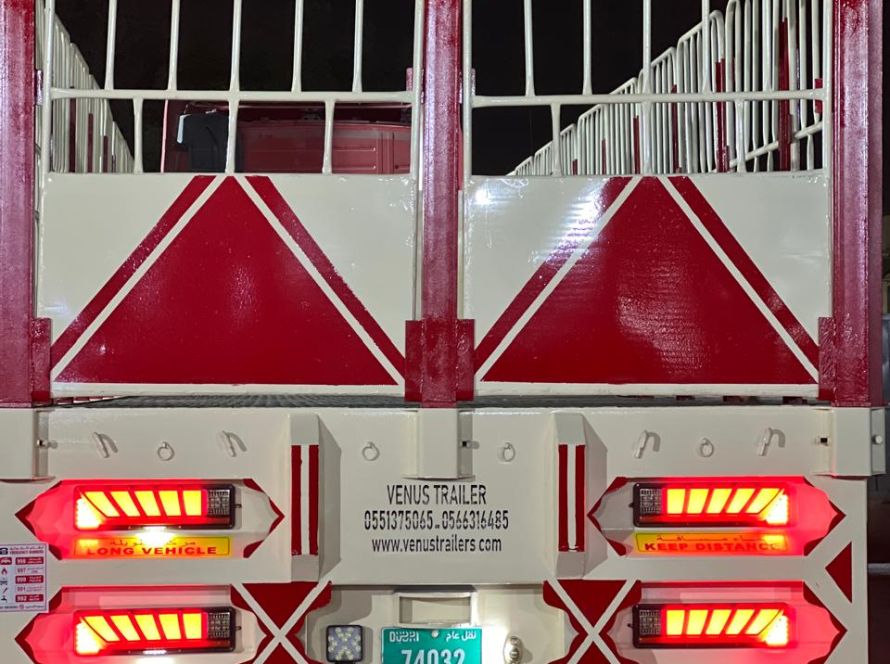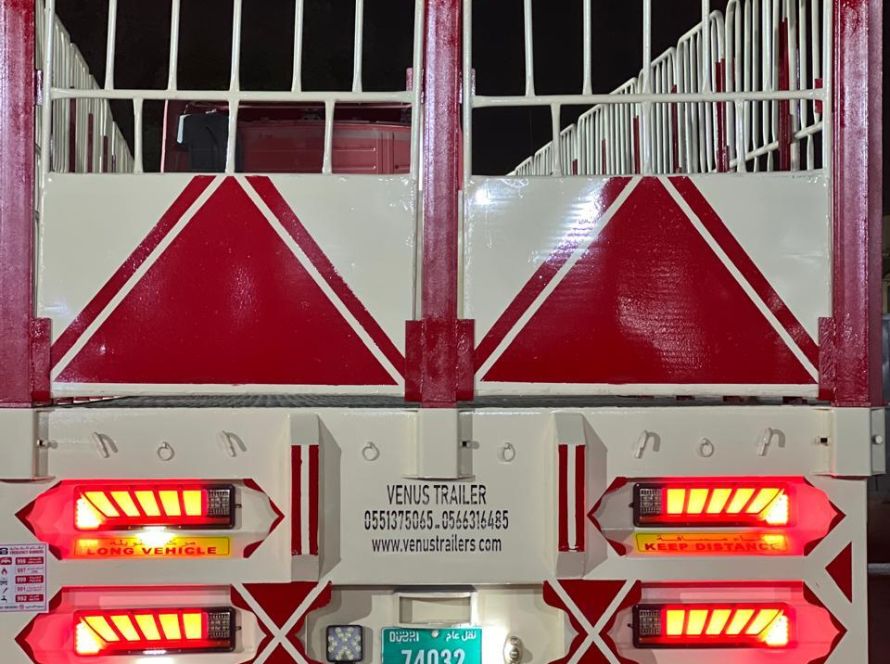

When businesses look for durable, long-lasting, and reliable transport solutions, trailers manufacturing in the UAE often stands out. Dubai has become one of the most trusted hubs in the Middle East for producing high-quality trailers that serve construction, logistics, oil & gas, retail, and industrial sectors. But what exactly makes UAE-manufactured trailers different from those made elsewhere?
In this blog, we’ll explore the unique qualities, manufacturing standards, materials, and industry practices that give Dubai-made trailers a reputation for excellence.
Why Dubai Is a Global Hub for Trailer Manufacturing
Dubai’s rise as a trailer manufacturing hub is closely linked to its strategic location, strong infrastructure, and growing logistics industry. As a gateway between Sharjah and the UAE, Dubai requires efficient transport systems, and trailers play a key role.
Manufacturers in Dubai don’t just produce trailers; they engineer solutions designed for real-world challenges such as extreme heat, long highway distances, and heavy loads. This focus on practicality is one of the biggest factors that differentiates UAE quality.
1. Built for Extreme Climate Conditions
One major advantage of trailers manufacturing in Dubai is climate-specific engineering. UAE manufacturers design trailers to handle:
- High temperatures
- Desert environments
- Heavy usage cycles
- Long-distance GCC transport
Frames are reinforced, steel quality is upgraded, and protective coatings are applied to prevent corrosion and heat damage. Imported trailers often fail faster because they’re not designed for Gulf weather conditions.
2. High-Grade Material Trailers manufacturing in UAE and Strong Construction
UAE manufacturers use premium-grade steel and heavy-duty components that enhance durability. From chassis to axles, every part is selected to meet performance and safety expectations.
Key material advantages include:
- High-tensile steel frames
- Reinforced welding techniques
- Quality axle and suspension systems
- Heavy-duty braking systems
This ensures trailers last longer, even under continuous commercial use.
3. Custom Manufacturing, Not One-Size-Fits-All
Unlike mass-produced imported trailers, Dubai manufacturers specialize in custom-built trailers. Businesses can request modifications based on their industry needs, including:
- Load capacity adjustments
- Trailer length and width customization
- Special ramps or hydraulic systems
- Flooring options (wood, steel, chequered plate)
- Container locks or secure enclosures
If you’re showcasing your own production capabilities, this is a great place to add an internal link such as:
Our Trailer Manufacturing Solutions in the UAE
4. Advanced Engineering trailers manufacturing in UAE & Skilled Workforce
Dubai’s trailer manufacturers employ skilled engineers, welders, and technicians with hands-on experience in industrial fabrication. Modern workshops use advanced machinery, CAD-based designs, and quality control processes to ensure precision.
Each trailer goes through inspections and testing before delivery. This attention to detail is a major reason UAE-made trailers perform better in real working conditions.
5. Compliance with UAE trailers manufacturing in UAE & GCC Standards
Another factor that sets trailers manufacturing in Dubai apart is compliance. Most manufacturers ensure their trailers meet:
- UAE RTA regulations
- GCC road safety standards
- Load distribution and axle weight limits
This helps businesses avoid regulatory issues and penalties when operating across Dubai, Abu Dhabi, Sharjah, or exporting within the GCC.
For global safety and transport insights, you may include an to an authoritative source such as:
International Road Transport Union (IRU)
6. Wide Range of Trailer Types Manufactured in Dubai
UAE manufacturers produce a full range of trailers, including:
• Flatbed Trailers
Used for steel, construction materials, and oversized cargo.
• Lowbed Trailers
Ideal for transporting heavy machinery like excavators, cranes, and loaders.
• Box Trailers
Perfect for secure, weather-protected cargo transport.
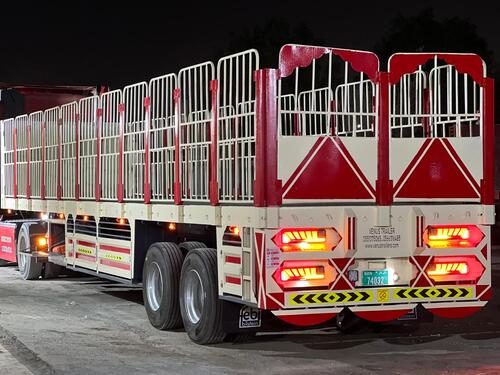
• Curtain Side Trailers
Favored by logistics and FMCG companies for easy loading.
• Skeleton Trailers
Commonly used for container transport from ports.
• Tipper & Dump trailers manufacturing in the UAE Trailers
Essential for construction and infrastructure projects.
You can internally link to relevant product pages for improved SEO and user navigation.
7. Faster Production & Local Support
One underrated benefit of manufacturing locally is speed. Dubai-based manufacturers offer:
- Faster production timelines
- Immediate communication
- On-site inspections
- Quicker after-sales support
When spare parts or repairs are needed, local availability reduces downtime significantly compared to imported equipment.
8. Cost-Effective trailers manufacturing in the Uae Without Compromising Quality
Many buyers assume imported trailers offer higher quality, but UAE manufacturers often match or exceed international standards at a more competitive cost.
Why?
- No import duty
- Lower logistics costs
- Local sourcing
- Competitive production pricing
This combination makes Dubai trailers a smart long-term investment.
9. Export-Ready Manufacturing
Dubai is also a major export hub for trailers. Many manufacturers build trailers specifically for export to:
- UAE
- Dubai
- Sharjah
- Central Asia
Export-ready manufacturing further highlights the strength and reliability of UAE quality.
10. Trusted by trailers manufacturing in the UAE, Multiple Industries
From construction giants to logistics startups, businesses prefer Dubai-manufactured trailers because they deliver:
- Reliability
- Safety
- Longevity
- Performance consistency
That trust has helped establish trailers manufacturing in Dubai as a benchmark for regional quality.
Conclusion
What truly makes trailers manufacturing in Dubai different is a combination of climate-ready engineering, high-grade materials, customization, skilled labor, and strict quality control. UAE manufacturers don’t just build trailers—they build dependable transport solutions designed for demanding industries and challenging environments.